When it comes to making coffee at home, you want to ensure you're using the best coffee brewing methods that will give you the perfect cup every time. With a vast array of options available, it can be overwhelming to choose the right method for you. This article will guide you through the top brewing methods, helping you find the best way to make coffee at home.
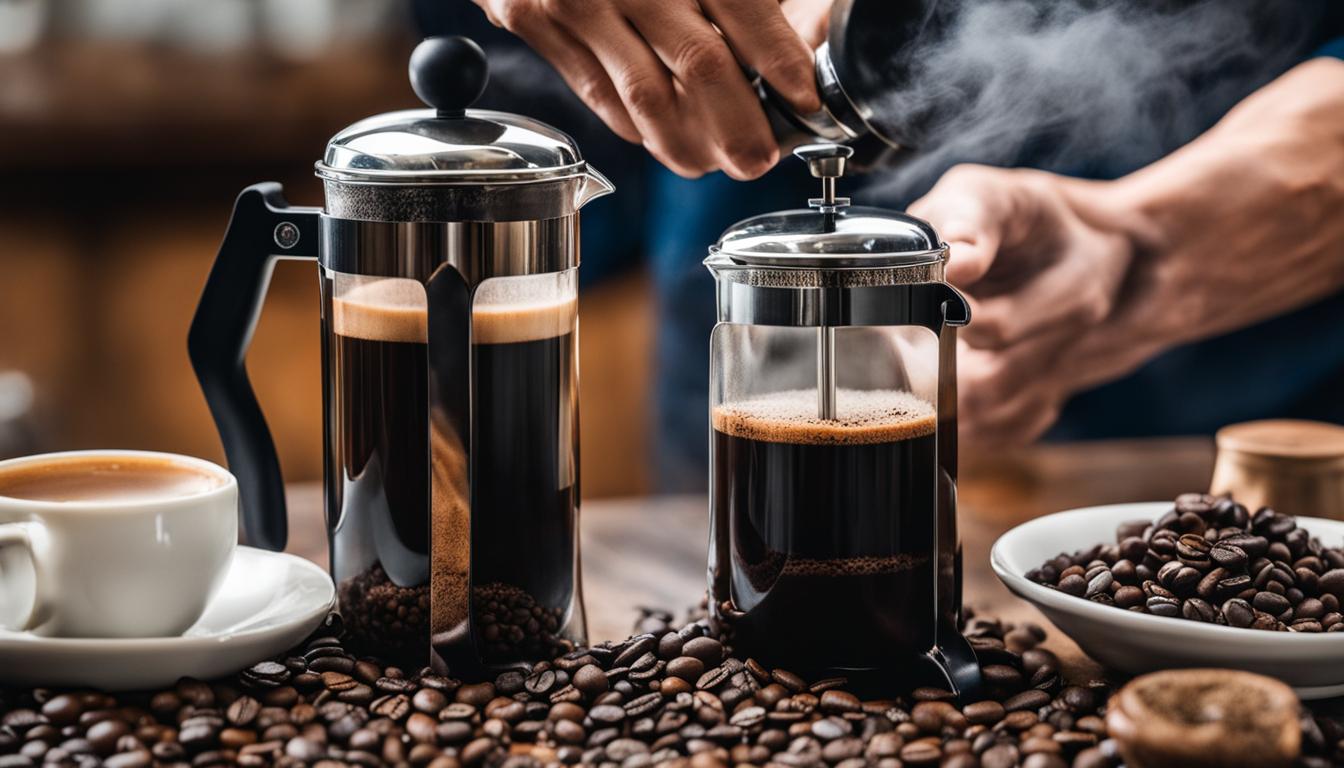
Whether you're a fan of convenience, love rich flavors, or enjoy having control over the brewing process, there is a method out there that suits your taste. From drip coffee makers to French presses, pour-overs to AeroPress, espresso machines to Moka pots, and cold brews - we've got you covered.
Key Takeaways:
- Choose the best coffee brewing method based on your personal preference and desired flavor.
- Options include convenient drip coffee makers, rich French presses, precise pour-overs, versatile AeroPress, intense espresso machines, strong Moka pots, and smooth cold brews.
- Experiment with different brewing methods to find the one that suits your taste preferences and brewing style best.
- Invest in quality home coffee brewing equipment to enhance your coffee brewing experience.
- Enjoy the process and savor every sip of your perfectly brewed cup of coffee.
Drip Coffee Maker
A drip coffee maker, also known as a batch brewer, is a popular choice for daily coffee brewing at home. It offers convenience and a consistent brewing process with the press of a button. The flavor of the coffee is dependent on factors such as the quality of the water, the coffee-to-water ratio, and the type of coffee used. Some recommended drip coffee makers include the Bonavita 8-cup Coffee Maker and the Technivorm Moccamaster 10-Cup Coffee Maker.
Pros of Drip Coffee Maker:
- Convenient and easy to use
- Consistent brewing process
- Perfect for brewing larger quantities of coffee
- Wide range of affordable options available
Cons of Drip Coffee Maker:
- Limited control over brewing variables
- May not produce the strongest or most flavorful coffee
- Requires paper filters or regular maintenance for reusable metal filters
Comparison of Recommended Drip Coffee Makers:
| Model | Capacity | Price | Features |
|---|---|---|---|
| Bonavita 8-cup Coffee Maker | 8 cups | $ | One-touch brewing, thermal carafe |
| Technivorm Moccamaster 10-Cup Coffee Maker | 10 cups | $$ | Precise temperature control, handmade in the Netherlands |
The French Press
The French press is a classic method of brewing coffee that produces a rich, full-bodied cup. It’s a popular choice for coffee enthusiasts who appreciate a bold and robust flavor profile. This brewing method involves steeping ground coffee in hot water and then pressing a plunger to separate the grounds from the liquid. The result is a flavorful coffee with a thick and creamy texture.
To achieve the best results with a French press, start by using coarse ground coffee to prevent sediment from seeping into the cup. The recommended ratio is 1 tablespoon of coffee for every 4 ounces of water. Allow the coffee to steep for about four minutes before pressing the plunger gently and smoothly. This extraction process allows the oils and flavors from the coffee beans to be fully incorporated into the brew, resulting in a deep and satisfying taste.
Some coffee lovers prefer using a French press for its simplicity and ability to highlight the natural flavors of the coffee beans. It's a versatile brewing method that allows you to experiment with different types of coffee and grind sizes to achieve your desired taste. Whether you enjoy a bold dark roast or a smooth medium roast, the French press can deliver a rich and full-bodied cup of coffee that will satisfy your cravings.
https://www.youtube.com/watch?v=vQVTNscQY0c
French Press Brewing Guide
| Step | Instructions |
|---|---|
| 1 | Boil water and let it cool for a few seconds to reach around 200°F (93°C). |
| 2 | Add coarsely ground coffee to the French press. Use a ratio of 1 tablespoon of coffee per 4 ounces of water. |
| 3 | Pour hot water over the coffee grounds, saturating them evenly. |
| 4 | Stir the coffee gently to ensure even extraction. |
| 5 | Place the plunger on top of the French press but do not press down yet. Let the coffee steep for about four minutes. |
| 6 | Slowly and steadily press the plunger down, separating the grounds from the liquid. |
| 7 | Pour the brewed coffee into your cup and enjoy! |
The Pour-Over Method: Achieving Control Over Flavor with Burr Grinder and Gooseneck Kettle
The pour-over method is a favorite among coffee enthusiasts who value the ability to have precise control over the brewing process, resulting in a clean and well-balanced cup of coffee. This method involves pouring hot water over a filter cone filled with ground coffee, allowing the water to gradually drip through and extract the flavors. One of the advantages of the pour-over method is that it allows you to customize factors such as the speed and volume of the pour, giving you full control over the final taste.
To achieve optimal results with the pour-over method, it is important to use the right equipment. Investing in a burr grinder is highly recommended as it ensures a consistent grind size, which directly affects the extraction process and flavor profile of the coffee. A burr grinder allows you to achieve a precise coarseness or fineness of the grind, depending on your preference. Additionally, using a gooseneck kettle is essential for precise pouring. The narrow spout of the gooseneck kettle gives you better control over the water flow, allowing for an even extraction and preventing over or under-extraction.
Recommended Pour-Over Equipment:
- Burr Grinder: Achieve consistent grind size for optimal extraction.
- Gooseneck Kettle: Precise pouring for even extraction.
- Pour-Over Filter Cone: Holds the coffee grounds and allows for controlled extraction.
- High-Quality Coffee Beans: Choose beans that suit your taste preferences.
- Scale: Measure coffee and water ratios for accuracy.
When brewing with the pour-over method, it's important to experiment with different variables to find your perfect cup. Pay attention to the water temperature, coffee-to-water ratio, and the speed and technique of pouring. Different coffee beans and roast levels will also yield different flavor profiles, so feel free to explore different options to find the taste that suits your palate.
The pour-over method is not only a way to brew coffee, but also a ritual that allows you to immerse yourself in the process and appreciate the artistry of coffee brewing. So take your time, savor the aroma as the water hits the coffee grounds, and enjoy the rich and flavorful cup that the pour-over method can deliver.
| Pour-Over Method Pros | Pour-Over Method Cons |
|---|---|
| Control over flavor and extraction process Customizable brewing parameters Clean and well-balanced cup of coffee Allows for appreciation of the brewing ritual | Requires more attention and precision May take longer to brew compared to other methods Not as convenient for large batches |
AeroPress: The Portable and Versatile Brewing Method
When it comes to brewing coffee on the go, the AeroPress is a go-to choice for many coffee enthusiasts. This compact and versatile brewing device allows you to enjoy a delicious cup of coffee wherever you are. Whether you're traveling, camping, or just in need of a quick caffeine fix, the AeroPress delivers convenience without compromising on flavor.
The AeroPress operates similar to a syringe, allowing you to control the pressure and brewing time to achieve your desired taste. Its portable design makes it easy to pack and carry, and it doesn't require any electricity or complicated setup. With just a few simple steps, you can brew a smooth and flavorful cup of coffee that rivals your favorite coffee shop.
One of the key advantages of the AeroPress is its versatility. It allows you to experiment and adjust various factors such as grind size, water temperature, and brewing time to customize your coffee to perfection. Whether you prefer a bold and robust flavor or a smoother and milder cup, the AeroPress can accommodate your preferences.
| Pros | Cons |
|---|---|
| Portable and lightweight | Requires manual effort |
| Versatile brewing options | Single-serving capacity |
| Quick brewing time | Requires disposable paper filters |
Overall, the AeroPress is a great investment for coffee lovers who value convenience, flexibility, and the ability to brew a delicious cup of coffee wherever they go. Whether you're a beginner or an experienced coffee connoisseur, the AeroPress offers a satisfying brewing experience that can elevate your coffee game.
Espresso Machine
If you are someone who enjoys the bold and concentrated flavors of coffee or espresso-based drinks, investing in an espresso machine can elevate your home brewing experience. An espresso machine uses high pressure to force hot water through finely ground coffee, resulting in a strong and intense flavor that is sure to satisfy your taste buds.
When using an espresso machine, it's important to pay attention to several factors to achieve the best results. The grind size of the coffee beans should be fine and even to ensure proper extraction, and the dose of coffee should be precise to maintain the desired strength. Additionally, the extraction time should be carefully monitored to avoid over or under-extraction.
There are various types of espresso machines available, ranging from semi-automatic to fully automatic models. Semi-automatic machines require manual control over certain aspects of the brewing process, such as manually stopping the extraction. Fully automatic machines, on the other hand, handle everything from grinding the coffee beans to brewing the espresso with the push of a button. Choose the type of machine that best suits your brewing preferences and level of control.
Pros and Cons of Using an Espresso Machine
Pros:
Ability to make strong and concentrated coffee or espresso-based drinks
Wide range of flavors and aromas to explore
Control over the brewing process and customization options
Can create beautiful latte art
Cons:
Requires precision and practice to master the brewing technique
Higher cost compared to other brewing methods
Takes up more space in the kitchen
Requires regular cleaning and maintenance
| Espresso Machine Model | Price Range | Features |
|---|---|---|
| Gaggia Classic Pro | $499 | Semi-automatic, commercial-style steam wand |
| Breville Bambino Plus | $499 | Fully automatic, automatic milk texturing |
Tips for Using an Espresso Machine
- Invest in a high-quality burr grinder to ensure a consistent grind size
- Experiment with different coffee beans and roast levels to discover your preferred flavors
- Preheat your espresso machine and coffee cups to maintain optimal brewing temperature
- Practice tamping the coffee grounds evenly to achieve balanced extraction
- Clean your espresso machine regularly to prevent build-up and maintain its performance
The Moka Pot: An Espresso Alternative for Strong Coffee Lovers
If you're a coffee enthusiast who craves a rich and concentrated cup of coffee but doesn't have access to an espresso machine, the Moka pot is an excellent alternative. This stovetop percolator uses steam pressure to pass hot water through finely ground coffee, resulting in a bold and flavorful brew that resembles espresso. With its distinctive design and ease of use, the Moka pot offers a convenient way to enjoy strong coffee without investing in expensive equipment.
The brewing process of a Moka pot is straightforward. The water in the bottom chamber heats up, creating steam that pushes through the coffee grounds in the middle chamber, and finally collects in the top chamber as a strong and aromatic coffee. The result is a coffee that sits between the intensity of espresso and the smoothness of a drip brew. The Moka pot captures the essence of both worlds, offering a unique and satisfying brewing experience.
When using a Moka pot, it's essential to pay attention to a few key factors. Firstly, grind your coffee to a medium-fine consistency to ensure optimal extraction. Secondly, use a heat source that matches the size of your Moka pot (gas stove, electric stove, or induction). Lastly, monitor the brewing process closely to prevent over-extraction or burning. With practice and experimentation, you can master the art of brewing with a Moka pot and create a coffee that suits your taste preferences.
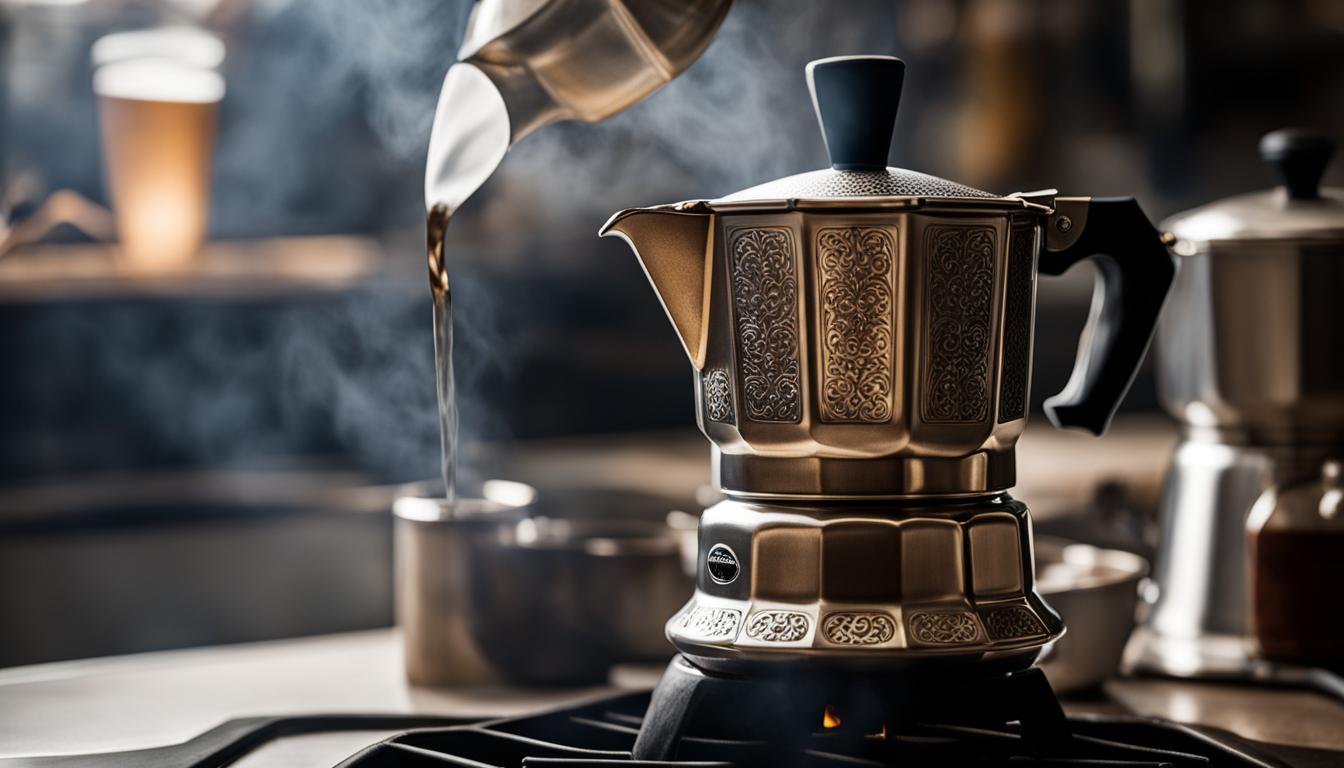
Table: Pros and Cons of Using a Moka Pot
| Pros | Cons |
|---|---|
| - Affordable and accessible brewing method | - Requires monitoring and attention during brewing |
| - Produces a strong and concentrated coffee | - May have a learning curve for achieving desired taste |
| - Portable and suitable for camping or travel | - Not suitable for making large batches of coffee |
| - Offers a unique and robust flavor profile | - Can be challenging to clean |
Overall, the Moka pot is a fantastic option for coffee lovers looking to enjoy a strong and flavorful cup of coffee without the need for an espresso machine. With its distinctive brewing process and unique taste profile, the Moka pot captures the essence of espresso in a more accessible and affordable way. So if you're ready to embark on a coffee adventure and explore the world of strong, concentrated coffee, the Moka pot is waiting to satisfy your caffeine cravings.
Cold Brew
For coffee lovers who prefer a smooth and low-acidity cup, cold brew is a popular choice. Cold brew is made by steeping coffee grounds in cold or room temperature water for an extended period, typically 16 to 24 hours. This slow extraction process results in a smooth and rich coffee concentrate that can be enjoyed over ice or diluted with water.
One of the advantages of cold brew is its low acidity. The cold brewing process produces coffee that is less acidic than traditional hot brewed coffee, making it easier on the stomach and teeth. This makes cold brew a great option for those with sensitive stomachs or acid reflux issues.
To make cold brew at home, you can use a large mason jar and a sieve or a specialized cold brew system like the Toddy Cold Brew System. Simply mix coffee grounds with water, let it steep for the desired time, and then strain the liquid to remove the grounds. The resulting cold brew concentrate can be stored in the refrigerator for up to two weeks, allowing you to enjoy a refreshing cup of cold brew whenever you desire.
Benefits of Cold Brew:
- Smooth and low-acidity flavor profile
- Less likely to cause stomach discomfort
- Can be enjoyed over ice or diluted with water
- Easy to make at home with basic equipment
Whether you prefer a hot cup of coffee or a refreshing cold brew, there are many options available to suit your taste preferences. Experiment with different brewing methods and find the one that brings out the flavors you enjoy the most. With the right technique and equipment, you can become your own barista and enjoy the perfect cup of coffee in the comfort of your own home.
The Pour Over
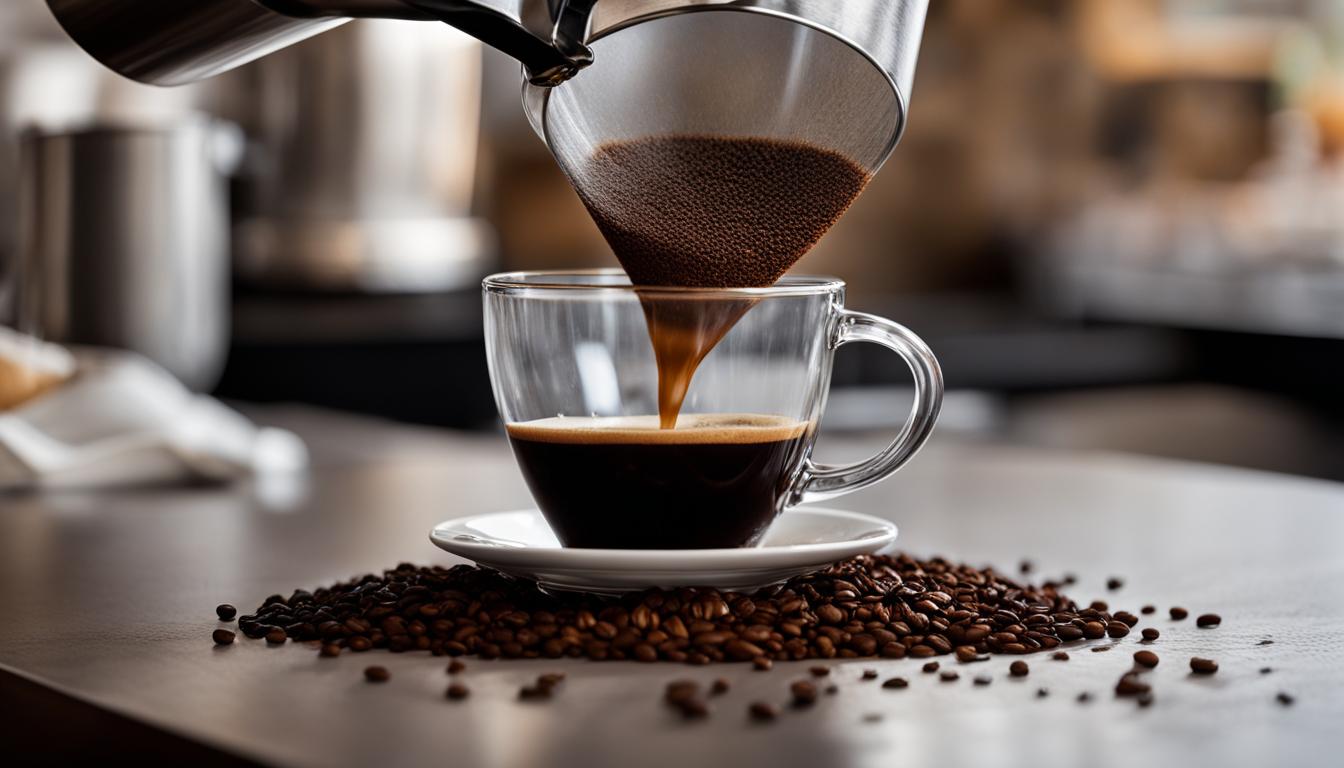
The pour-over brewing method is known for delivering a clean and bright cup of coffee, accentuating the subtle flavors of the beans. It involves pouring hot water over ground coffee in a filter cone, allowing it to drip through and extract the flavors. This method requires attention to detail, such as using the correct grind size and water temperature, to achieve optimal results. It is especially suitable for beans with bright, sparkling flavors.
Benefits of the Pour Over Method
The pour-over method offers several benefits that contribute to its popularity among coffee enthusiasts:
- Control: With the pour-over method, you have complete control over the brewing process, including the speed and volume of the pour. This allows you to customize the strength and flavor of your coffee according to your preferences.
- Clean Cup: Due to the use of a paper or cloth filter, the pour-over method produces a clean cup of coffee with minimal sediment or oily residue. This results in a smoother and more refined taste.
- Bright Flavors: The pour-over method tends to highlight the bright and vibrant flavors of the coffee beans, bringing out their natural acidity and sweetness.
To achieve the best results with the pour-over method, it is recommended to use fresh, high-quality coffee beans and a burr grinder to ensure a consistent grind size. The water temperature should be between 195-205°F (90-96°C) for optimal extraction. The brewing time typically ranges from 2-4 minutes, depending on the desired strength of the coffee.
Comparison of Pour Over Brewing Devices
| Brewing Device | Features | Price Range |
|---|---|---|
| Chemex | - Hourglass-shaped glass decanter- Use of thick paper filters- Can brew multiple cups at once | $40-50 |
| Hario V60 | - Cone-shaped plastic or ceramic dripper- Spiral ridges for optimal water flow- Requires paper filters | $15-25 |
| Kalita Wave | - Flat-bottomed dripper with three small holes- Promotes even extraction- Use of paper filters | $25-35 |
Ultimately, the choice of pour-over brewing device depends on personal preference and brewing style. Each device offers a slightly different brewing experience and may produce slightly different flavors in the cup. Experiment with different devices to find the one that suits your taste preferences and brewing routine best.
The Cold Brew Method: Smooth and Low Acidity
If you're a fan of smooth and flavorful coffee with low acidity, the cold brew method is a must-try for your home brewing adventures. Cold brew coffee is made by steeping coffee grounds in cold or room temperature water for an extended period, typically around 16 to 24 hours. This slow extraction process results in a delicious and refreshing cup of coffee that is less acidic compared to hot brewed coffee.
To make cold brew at home, you don't need any fancy equipment. You can use a large mason jar and a sieve, or if you prefer a more specialized approach, you can invest in a cold brew system like the Toddy Cold Brew System. The process is simple: combine coarsely ground coffee with cold water in a jar or container, stir gently, and let it steep at room temperature for the desired duration. Once steeped, strain the coffee grounds using a sieve or the filter of your cold brew system, and voila! You have a smooth and flavorful cold brew concentrate ready to be enjoyed.
One of the great things about cold brew is its versatility. You can enjoy it over ice for a refreshing summer drink, or dilute it with water for a milder and more refreshing cup. It also allows you to experiment with various flavor profiles by trying different coffee bean origins and roast levels. Cold brew coffee is known for its smooth and full-bodied characteristics, making it a favorite among coffee lovers who prefer a less acidic brew.
Cold Brew vs. Iced Coffee: What's the Difference?
It's important to note that cold brew and iced coffee are not the same. While both are cold coffee beverages, the brewing methods and flavor profiles differ. Cold brew is made by steeping coffee grounds in cold water, resulting in a smooth and less acidic brew. On the other hand, iced coffee is made by brewing hot coffee and then cooling it down with ice. The flavor of iced coffee is typically more similar to hot coffee, but with the addition of ice to make it refreshing.
| Cold Brew | Iced Coffee |
|---|---|
| Steeped in cold water for 16-24 hours | Brewed hot and cooled with ice |
| Smooth and less acidic | Similar flavor to hot coffee, but with added ice |
| Concentrated form, needs to be diluted | Ready to drink |
Whether you're looking to enjoy a smooth and flavorful cup of coffee or wanting to explore different brewing techniques, cold brew is a fantastic option. Its low acidity and delicious taste make it a favorite among coffee enthusiasts. So grab your mason jar or cold brew system, steep those coffee grounds, and savor the smooth and refreshing flavors of cold brew coffee right in the comfort of your home.
Conclusion
Choosing the best coffee brewing method for your home can be a delightful and fulfilling process. With the wide array of options available, you have the opportunity to explore and experiment with various techniques to find the perfect cup of coffee that suits your taste preferences.
Whether you prefer the convenience of a drip coffee maker, the rich and bold flavors of a French press, the precise control offered by a pour-over, the versatility and portability of an AeroPress, the intense and concentrated flavors of an espresso machine, the strength of a Moka pot, or the smoothness of cold brew, there is a brewing method out there that will satisfy your coffee cravings.
It's important to remember that practice makes perfect when it comes to home coffee brewing. Take the time to familiarize yourself with each method, experiment with different grind sizes, water temperatures, and coffee-to-water ratios. Don't be afraid to adjust and fine-tune the process until you find the perfect balance that pleases your taste buds.
So, armed with the knowledge of the best coffee brewing methods for home and some helpful tips, go ahead and unleash your inner barista. Enjoy the journey of brewing your own delicious cup of coffee and savor every sip in the comfort of your home.
FAQ
What is the best coffee brewing method for home use?
The best coffee brewing method for home use depends on personal preference and desired flavor. Some popular options include drip coffee makers, French press, pour-over, AeroPress, espresso machines, Moka pots, and cold brew.
What is a drip coffee maker?
A drip coffee maker, also known as a batch brewer, is a popular choice for daily coffee brewing at home. It offers convenience and a consistent brewing process with the press of a button.
How does a French press work?
A French press involves steeping ground coffee in hot water and then pressing a plunger to separate the grounds from the liquid. This method produces a rich and full-bodied cup of coffee.
What is a pour-over method?
The pour-over method involves pouring hot water over a filter cone filled with ground coffee, allowing the water to drip through and extract the flavors. It is known for delivering a clean and well-balanced cup of coffee.
What is an AeroPress?
An AeroPress is a compact and versatile brewing device that uses pressure to force hot water and coffee grounds through a filter. It is portable and perfect for coffee lovers on the go.
How does an espresso machine work?
An espresso machine uses high pressure to force hot water through finely ground coffee, resulting in a rich and intense flavor. It requires precision in grind size, dose, and extraction time to achieve optimal results.
What is a Moka pot?
A Moka pot, also known as a stovetop percolator, is an alternative to an espresso machine. It uses steam pressure to pass hot water through coffee grounds, resulting in a strong and concentrated brew.
What is cold brew?
Cold brew is made by steeping coffee grounds in cold or room temperature water for an extended period. The slow extraction process results in a smooth and low-acidity cup of coffee that can be enjoyed over ice or diluted with water.
How does the pour-over method differ from cold brew?
The pour-over method delivers a clean and bright cup of coffee, accentuating the subtle flavors of the beans. Cold brew, on the other hand, is smoother and lower in acidity compared to hot brewed coffee.
Which brewing method should I choose for home use?
The best coffee brewing method for home use depends on your personal taste preferences and brewing style. Experiment with different methods and find the one that suits you best. Enjoy the process and savor every sip of your perfectly brewed cup of coffee.